Getting Involved in Research

Take the First Step
Once you've invested time in thinking about how doing research can complement your academic goals, you'll work with Cornell advisors to make a plan that will help you gain the most from your research experience.
Identifying a Research Advisor and Project
Which of your interests you want to research? Here are a few actions that can help you make your decision.
As you're in class, consider which topics are the most interesting to you and whether you could turn one of those interests into a research topic. Talk with current and previous professors when looking for a research advisor or research topic, and consider asking those professors to introduce you to faculty colleagues whom you might work with. Talk to your student advisor and faculty advisor about their research. Read, read, read... and then read more.
Faculty are involved in dynamic work that changes all the time. To get an understanding of a given faculty member’s research interests, identify the theme or niche in which they work.
This can help you decide if you want to meet with that professor, and it makes a good impression on the professor if you do meet them.
They will be an especially good source of information regarding the research being conducted in their department and perhaps in other departments and units. Your advisor can often steer you toward the people whose research matches your interests or make you aware of possibilities you hadn't considered. Network to find an advisor you're comfortable with.
Review college and department contacts to find the appropriate person to speak with in your college or school.
The Cornell Undergraduate Research Board (CURB) offers a peer mentorship program where mentees are matched with upper-level students.
Library liaisons are research subject experts who provide support for faculty and student research. Find library liaisons by department.
To learn more about the research being done at Cornell, read articles in the Cornell Chronicle and the Cornell Daily Sun, or listen to the Research Matters Podcast. Each fall, the Office of Undergraduate Biology hosts Biofest, where students can connect with biological sciences staff and learn more about biology-related opportunities at Cornell and beyond.
Some disciplines offer programs designed to help students explore facets of the major(s) and faculty research.
The University Course Catalog is a great way to explore subject matter that catches your interest. Note who teaches the course(s) that you find most appealing.
There are often research-related on-campus events that feature guest lecturers or presentations focused on a variety of disciplines and topics.
Most sites include information about faculty research interests, projects, and publications.
You can find a full listing of centers, institutes, labs, and programs across Cornell on the Research & Innovation website; examples include the Knight Writing Institute and the Einaudi Center.
Please note that graduate students and postdoctoral researchers cannot serve as advisors.
Fellow students can be a great resource for sharing their research journey and experiences with faculty.
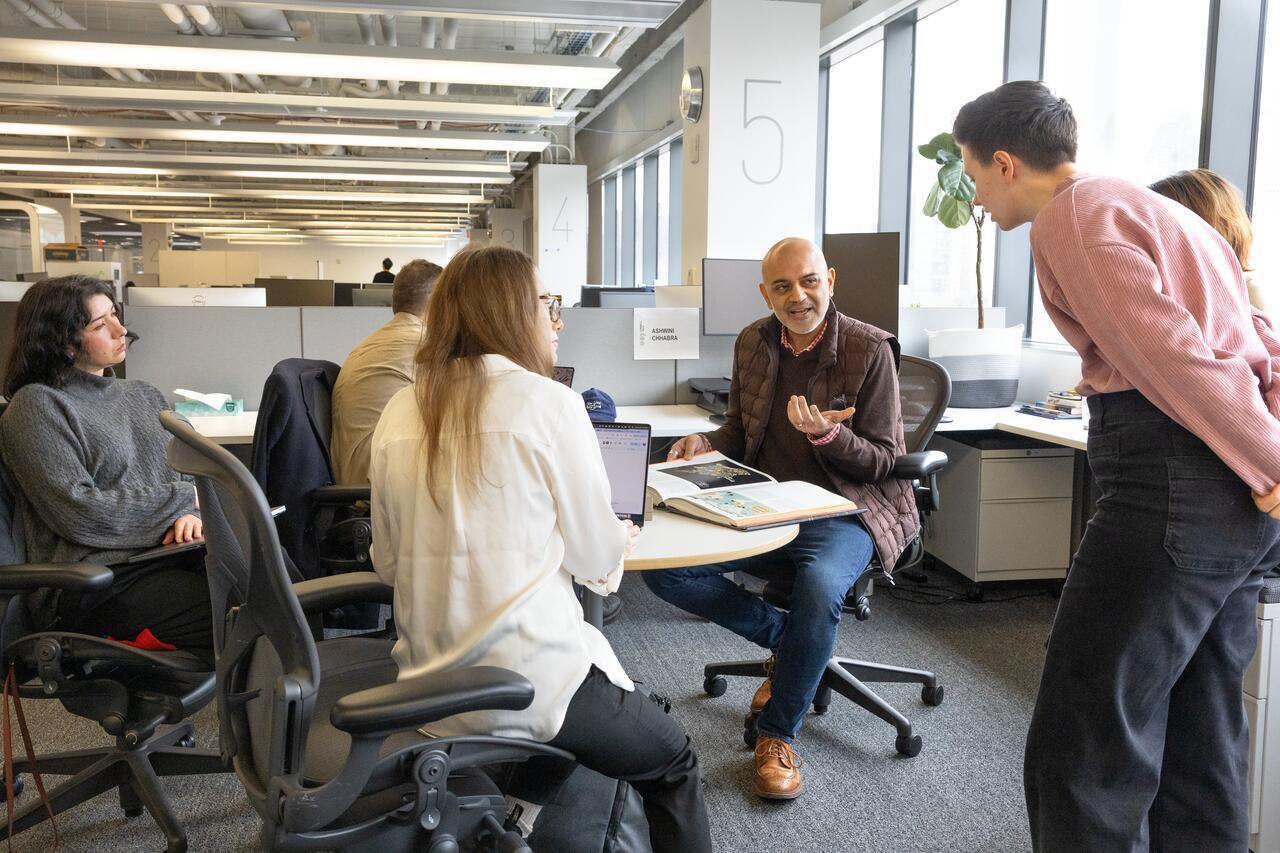
What will potential research advisors ask for?
- References (from a faculty advisor, former employer, etc.)
- CV/resume or information about prior experiences,
- Transcript (to see if you've taken appropriate classes)
- Availability and level of commitment
They'll also typically ask why you're interested in their work, so do your homework!
Communicating with Faculty
General Advice
- Take time to adjust to Cornell. Get through your first round of prelims, then think about research.
- Concentrate on your first-year coursework. Good grades will impress faculty and help you find a position in a lab.
- Research experience will not make up for poor grades when you apply to graduate or professional schools. Research is beneficial if you are applying to graduate schools, but you'll need good grades to be competitive.
- Research is not required for medical or veterinary school, despite the rumors that you may hear. It can give you something to discuss in your interview, but only if you can talk intelligently about your project.
- Research takes time, so plan to spend 10-15 hours a week in the lab. Many senior students spend over 20 hours per week on their project.
- At Cornell, "independent research" means that a student has their own project to work on in collaboration with a faculty member, graduate student, post-doc, technician, or other undergraduates. It does not mean you have an idea that you expect to negotiate with a faculty member. If you have a strong interest, talk to faculty working in the area, but don’t expect to be able to do exactly what you’ve done elsewhere.
- Look for opportunities to learn something new!